Trustpilot Pricing Explained: $99 to $799/mo (2026)
Trustpilot repriced its public plans in 2026. If you researched this before, you probably saw tiers around $259, $629, and $1,059 per month quoted everywhere. Those are gone. The current lineup runs from a $99/mo Starter to a $799/mo Premium (per domain), all billed annually on 12-month contracts. Every figure below was checked on July 22, 2026 against Trustpilot's plans page. Here's how the money actually works, and a framework for deciding whether it's worth it for your business.
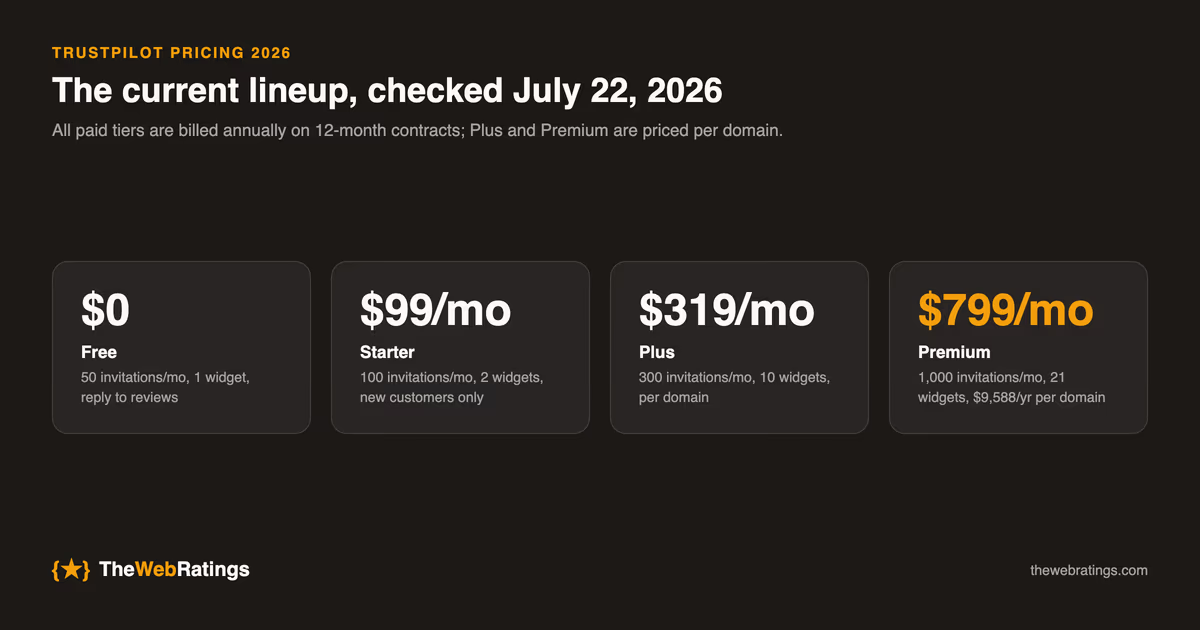
The tiers (checked July 22, 2026)
Free. Anyone can claim a company profile. You get 50 review invitations a month, one widget, and the ability to respond to reviews. What you don't get matters more: invitation volume, analytics, and control over how your profile presents.
Starter ($99/mo, billed annually). 100 invitations a month, 2 widgets, 1 user, 1 domain. Trustpilot pitches it at businesses up to $5M in revenue, and it's available to new customers only. The floor is $1,188/yr on a 12-month commitment.
Plus ($319/mo per domain, billed annually). 300 invitations a month, 10 widgets, 3 users, and a much longer integration list. Supports up to 3 domains, each billed separately.
Premium ($799/mo per domain, billed annually). 1,000 invitations a month, 21 widgets, 10 users, and advanced dashboards. That's $9,588/yr per domain.
Enterprise (custom). Unlimited invitations, up to 1,000 users, a dedicated success manager, and a price you only learn on a sales call.
The features that make Trustpilot useful (invitations at volume, widgets showing stars on your site, analytics) are all gated behind paid tiers, and the invitation caps are what move accounts up the ladder. The free plan is best understood as a claim on your brand's page, not a working review system.
Side by side, the tiers look like this:
| Tier | Price (billed annually) | What you get | What's still missing |
|---|---|---|---|
| Free | $0 | 50 invitations/mo, 1 widget, reply to reviews | Volume, analytics, presentation control |
| Starter | $99/mo ($1,188/yr) | 100 invitations/mo, 2 widgets, 1 user, 1 domain | Volume, more users, best widget formats |
| Plus | $319/mo per domain | 300 invitations/mo, 10 widgets, 3 users | Higher caps, advanced dashboards |
| Premium | $799/mo per domain | 1,000 invitations/mo, 21 widgets, 10 users, dashboards | Unlimited volume, dedicated support |
| Enterprise | Custom (quoted) | Unlimited invitations, 1,000 users, success manager | A predictable public price |
Two things changed with the repricing. The entry price dropped a lot ($99 vs the old ~$259), which makes the first yes easier. And the ceiling moved up: the old top public tier was around $1,059/mo, while Premium now runs $799/mo for each domain, so multi-domain brands can end up paying more than before.
The costs that don't show up on the pricing page
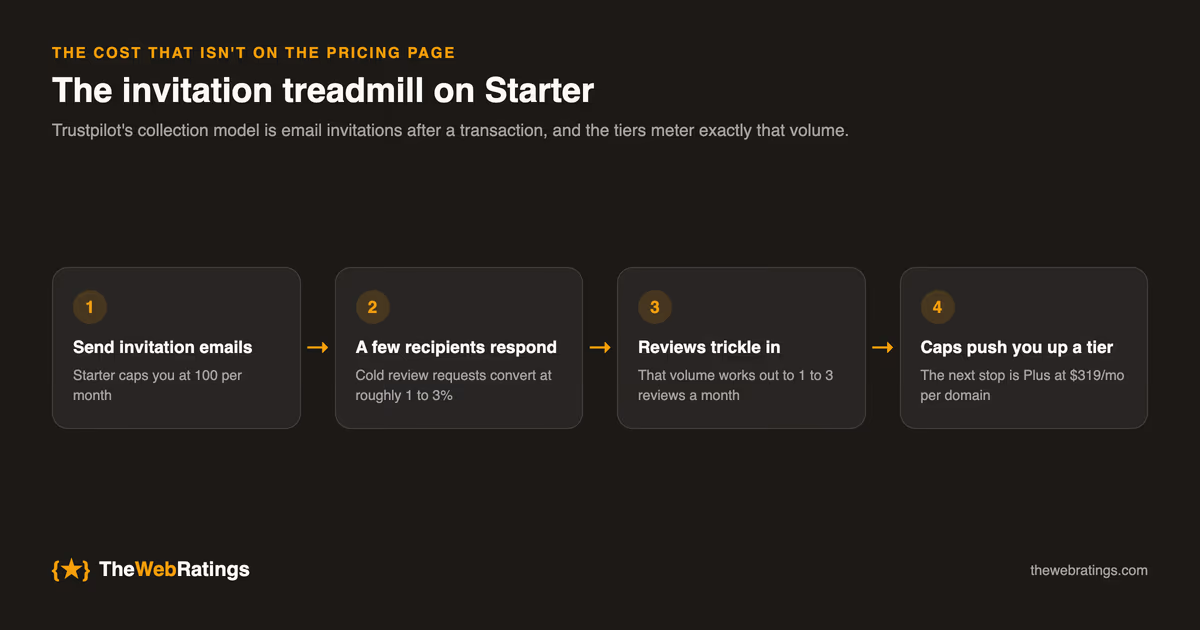
The invitation treadmill. Trustpilot's collection model is email invitations after a transaction. Response rates for cold review-request emails are typically low single digits, so you need volume, and volume is exactly what the tiers meter. Starter's 100 invitations a month at a 1 to 3% response rate works out to one to three reviews a month.
Everyone can review you, including people who aren't customers. An open platform means complainants, competitors, and bots can post. Managing that (flagging, responding, disputing) is ongoing labor. Trustpilot's own transparency reports acknowledge millions of fake reviews removed each year. We've written about why fake reviews break these platforms.
Review gating rules. You can't selectively invite only happy customers (rightly so), but combined with open reviews, it means you fund a channel you don't control.
Switching costs. Reviews accumulate on trustpilot.com, not your domain. Cancel, and years of collected trust stays behind. You keep only the free profile presentation.
When Trustpilot is worth it
Honest cases where the spend makes sense:
- Consumer e-commerce at scale. If shoppers actively search "your-brand trustpilot" before checkout, the badge has real conversion value.
- Markets where Trustpilot is the trust default, which covers much of UK/EU retail, travel, and financial services.
- You have the transaction volume to make low invitation response rates produce a steady review stream, and the budget for the tier whose caps match that volume.
When it isn't
- SaaS and web apps. Your users live inside your product, not in a post-purchase email flow. B2B buyers check G2 or search Google, where your own star ratings can appear via review schema, without Trustpilot.
- Early-stage anything. Even at the new $99 entry price, $1,188/yr on a 12-month contract for one to three reviews a month is hard to defend before product-market fit.
- You mainly want stars in Google. Review stars come from structured data, not from Trustpilot membership. An independent platform that publishes your reviews with AggregateRating schema achieves the same search outcome. See our guide to review schema and structured data.
The math for a typical SaaS
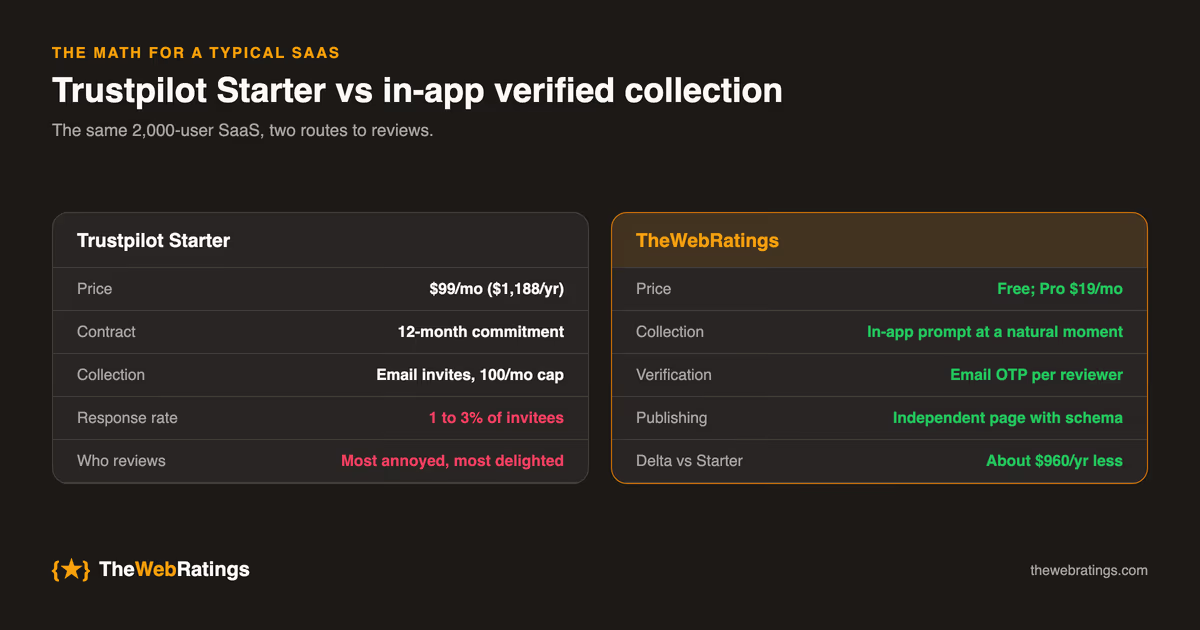
Say you have 2,000 active users. Trustpilot route: Starter at $99/mo ($1,188/yr, 12-month commitment), invitation emails to your list under the plan's 100-per-month cap, maybe 1 to 3% of invitees respond, and most reviews arrive from your most annoyed and most delighted users. In-app route: a widget prompts users at a natural moment inside the product, each reviewer verifies with an email OTP, and reviews publish to an independent page with schema. That's the model TheWebRatings runs. Free for one website, $19/mo for Pro. The delta against Starter is about $960/yr, and it widens to thousands once invitation caps push you to Plus at $319/mo.
Questions to ask before signing (or renewing)
If you do get on a call with Trustpilot sales, or you're deciding whether to renew, these questions surface the costs the pricing page doesn't:
- What's my realistic invitation volume, and what does it cost at the next tier up? Invitation limits are the classic reason accounts get pushed into higher tiers within the first year. The Starter-to-Plus jump is $99 to $319 a month.
- Which widgets are included at my tier? The most conversion-effective widget formats often sit a tier above where you start.
- What happens to my profile and reviews if I cancel? Get the answer in writing. The free-profile fallback keeps the reviews visible but strips most of what you were paying for.
- What's the actual renewal price? Starter is offered to new customers only, so budget on the renewal number, not the intro one.
- How many of my reviews came from invitations vs organic visitors? If most arrive organically, you're paying primarily for widgets and analytics. Price those against alternatives directly.
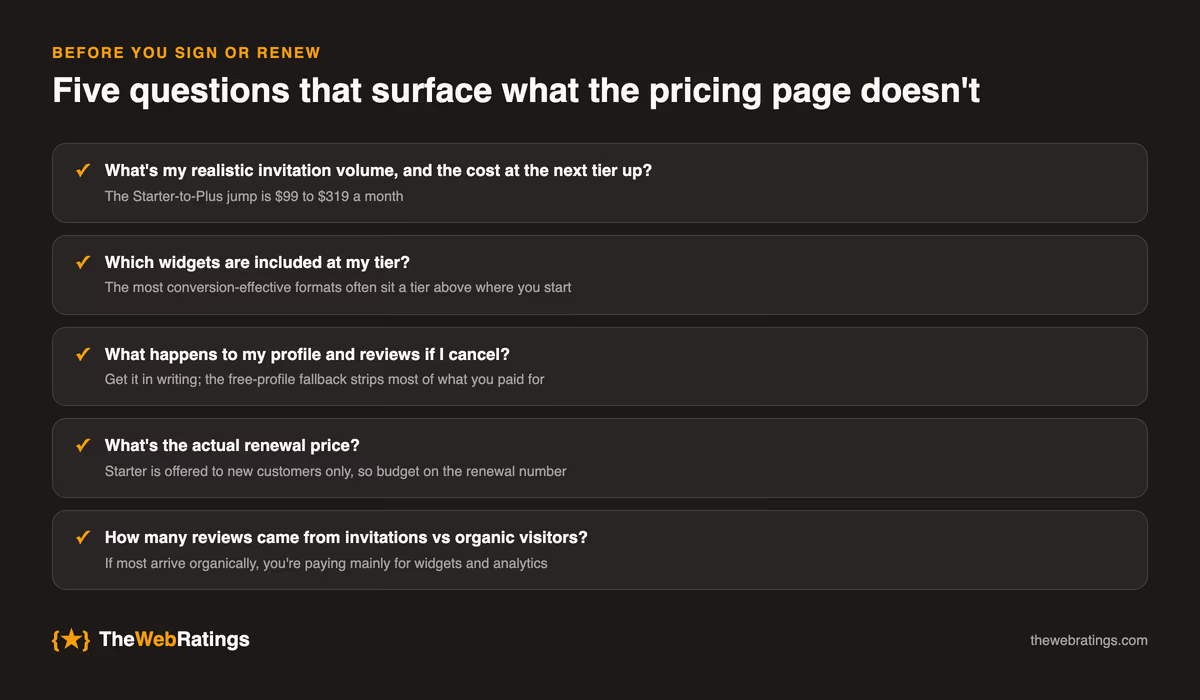
All five questions point at the same design: the pricing is structured around escalating commitment, and the exit costs rarely come up at signup. Whatever platform you choose, know the answers before the money moves.
And put the answers in a spreadsheet next to your alternatives. A one-page total-cost comparison (subscription, staff hours on campaigns and moderation, realistic review volume per month) makes the decision in about ten minutes. Some SaaS teams who run that exercise discover they were about to fund a channel that would deliver a handful of reviews a month; a few discover Trustpilot genuinely pencils out. Either way, the math beats the brand.
Bottom line
Trustpilot is a real product with real value for consumer brands with transaction volume and budget, and the $99 Starter makes trying it cheaper than it used to be. It is still not a good default for SaaS. If you're evaluating options, our 10 best Trustpilot alternatives walks through each one, the TWR vs Trustpilot comparison goes feature-by-feature, and the full Trustpilot alternatives guide has the decision framework.
Frequently asked questions
The free plan is $0 and includes 50 review invitations a month and one widget. Paid plans, checked July 22, 2026: Starter at $99/mo (billed annually, new customers only), Plus at $319/mo per domain, Premium at $799/mo per domain, and custom Enterprise contracts above that. All paid contracts are 12-month commitments.
Yes. The old public tiers quoted around the web (roughly $259, $629, and $1,059 per month) no longer appear on Trustpilot's plans page. As of July 2026 the lineup is Free, Starter ($99/mo), Plus ($319/mo per domain), Premium ($799/mo per domain), and Enterprise (quoted). The entry price came down; the per-domain ceiling went up.
You can claim your company profile, respond to reviews, send up to 50 invitations a month, and use one widget. You don't get meaningful invitation volume, the useful widget formats, analytics, or much control over how the profile presents. The features that make Trustpilot a working review system all sit behind paid tiers.
The reviews stay on trustpilot.com, since they were always on Trustpilot's domain rather than yours, and your account drops back to the free profile with its limited presentation. You can't export them to another platform in any way that preserves their credibility, which is why the switching cost grows the longer you stay.
Usually not. Trustpilot's collection model is built around post-transaction email invitations, which fits e-commerce but not products whose users live inside the app. SaaS teams typically get better results from in-app collection at a fraction of the cost, and Google star eligibility comes from review schema on an independent page rather than from Trustpilot membership.
Yes. Stars come from valid review structured data on an independent page about your product, and that doesn't require an annual contract. TheWebRatings publishes verified in-app reviews to a public trust page with the schema maintained for you. Free for one website, $19/mo for Pro.